Often the reason a customer doesn’t buy is neither performance nor price. It is a vague, unspoken embarrassment — a feeling of “somehow I’d rather not.” The New Zealand seafood brand Sealord gave that unsayable feeling a name, and in doing so took ownership of the barrier itself.
What happened
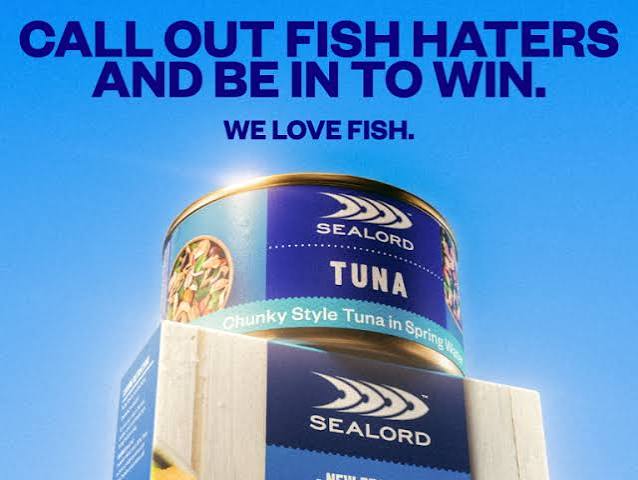
In 2026, Sealord released “We Love Fish” with the agency Motion Sickness.
“Fish smells if you eat it at work.” “It’s a hassle to cook.” “Using frozen fish feels like cheating.” Sealord named this cluster of embarrassments about eating fish “fishame” (fish + shame). A veteran fisherman goes out into the city hunting people in the grip of fishame: a man quietly hiding a tin of fish on the bus, a woman microwaving fish at work and cowering under the air conditioning. The fisherman preaches: hold your fish up high and be proud.
Why it worked
Plenty of people carry the feeling that fish is a hassle and mildly embarrassing, and nobody says it out loud. That unarticulated shame was quietly suppressing purchase.
Sealord deliberately named the feeling and made it visible. Once it has a name, the people who feel it can laugh and admit it: “so it wasn’t just me.” A hidden emotion becomes a shareable, familiar joke.
And the order matters: name the problem, own it, and only then stand up as the one who solves it. Being told out of nowhere to eat more fish provokes resistance. A brand that says “that reluctance you feel — it’s called fishame” looks like the only ally capable of undoing it.
How a smaller company can use this
Take the embarrassment, hesitation or excuse your customers cannot say out loud, and deliberately name it to make it visible.
The crux is to name and own the problem before you position yourself as the solution. Don’t open with a lecture. Create recognition first — “that’s a familiar one, isn’t it” — then offer the fix as an ally.
▷ How we would use it
It works in a brand story for a smaller company. Take the owner’s reticence — “should a company as small as ours really be running advertising?” — name that unsayable hesitation, make it visible, and build recognition with “that reluctance has a name.” Then stand up as the ally who undoes the barrier. It works in recruiting too: name the hesitation of a candidate who thinks “can I really apply with no experience?” and the psychological hurdle drops. Whoever names the problem becomes its owner.
In short
Sealord named an unsayable shame and took ownership of the barrier along with it. Name the problem first and you avoid lecturing — the brand becomes the ally who undoes it.
At ASTER we break down more than 100 notable campaigns to their structure and translate them into customer acquisition and recruiting for your business. What is the embarrassment your customers cannot say out loud? Let’s name it together.
(Structural breakdowns and a case archive are available on request. Please get in touch.)