When we describe our own service, we default to listing features. Fast, cheap, convenient. But a feature description drowns among the competitors saying exactly the same thing. The prediction market Polymarket translated a plain mechanic one level up into a belief, and pulled a niche service over to the side of culture. Here is the structure — including how it overwrites a whole category’s negative image.
What happened
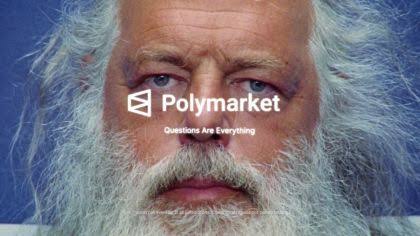
In 2026, Polymarket launched its first global brand campaign, “Questions Are Everything,” timed to the World Cup. The agencies were Better Half and Four Four Entertainment, directed by Gabriel Moses, narrated by music producer Rick Rubin, featuring Future and Peso Pluma, scored to Kanye West’s “Runaway.”
The central spot, “Flags,” attached a live market on each nation’s odds of winning to fifteen national flags. It hit 30 million views within 24 hours of release. The message was simple: only those who keep asking arrive at the answer.
Why it worked
The trick sits in one place. What Polymarket actually is, is a betting service. But they did not sell it as betting.
The mechanic of the product is “one question, one market, everyone’s prediction.” They translated that feature directly into a universal human value: curiosity. Say betting, and gambling’s negative associations follow. Rephrase it as a question, and the same act becomes intellectual and cultural.
And the stage was the World Cup, which the whole world watches simultaneously. Because the product’s core vocabulary — question, market, prediction — was loaded onto a cultural moment under global attention, it spread instantly. Plain feature description would never have done this.
How a smaller company can use this
“We don’t have Rick Rubin or a World Cup.” True. But strip it to the structure and scale becomes irrelevant.
Translate the plain mechanic of your service into the human value it essentially embodies. That is the crux.
▷ How we would use it
Take outsourced phone sales. Describe it as “an agency that books appointments” and you get dragged into a price war. Translate it as “the work of introducing you to customers you haven’t met yet” and the meaning changes. For cleaning, not “we make it clean” but “we create a state in which you can invite people without worrying.” One level above the feature sits the value the customer actually wants. Put that into words.
In short
Polymarket translated a feature into a belief. Betting into questions, gambling into curiosity. A category’s negative image can be overwritten with a different value word.
At ASTER we break down more than 100 notable campaigns to the structure of why they worked, and translate them into your industry. Shall we put the value your service actually embodies into words together?
(Structural breakdowns and a case archive are available on request. Please get in touch.)