Find the Breakthrough
Industry trends, insights, and updates from ASTER.
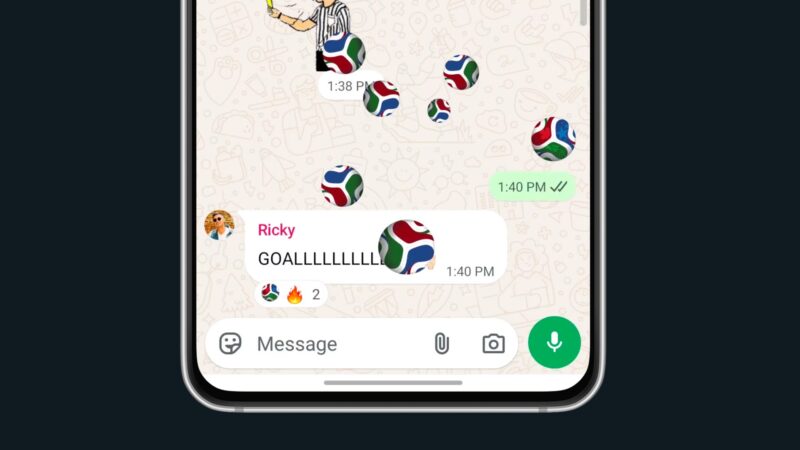
You Don't Have to Build an Ad Space: adidas Hijacked the Emoji Everyone Types
Launching advertising, we default to asking where to place it. adidas built no new ad space at all — it replaced the football emoji people around the world type without thinking.
3 min read
Step Out of the Spotlight on Purpose: Monzo's "Get Busy Living"
In advertising we want the product big, central and unmissable. The British bank Monzo did the opposite — shrinking itself into the corner of the frame and giving the lead role to the customer's ordinary day.
3 min read
Put Only the Unknown in the Best Spot: Amazon's Self-Published Library
Argue that self-publishing deserves respect and mostly nobody listens. Instead of saying it, Amazon built a library in a park stocked with nothing but self-published books.
3 min read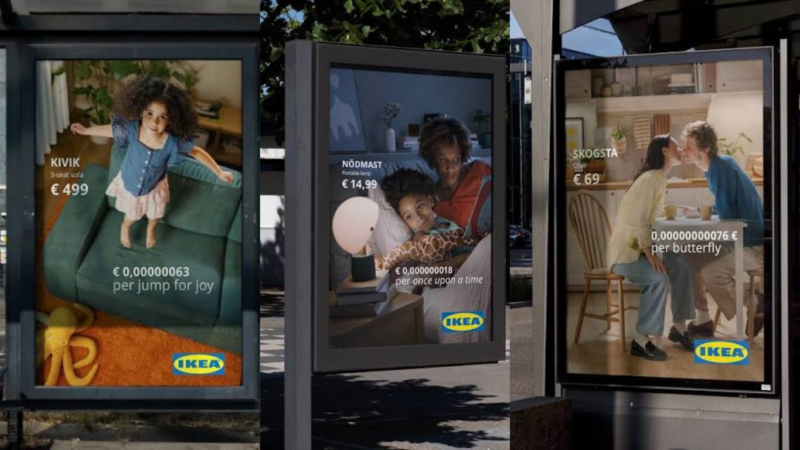
Zeros on a Price Tag Sell Better Added Than Removed: IKEA's "Price Per Moment"
In the middle of a discount war, every retailer is desperate to strip a zero off the price tag. IKEA Belgium added one instead — pricing not the product, but the moment of happiness it creates.
3 min read
Turn Fans Into Paid Advertising: The "Walking Billboard Job"
With no ad budget we tend to give up on the move entirely. But if you can mobilise passionate fans or staff as paid advertising, reach is buildable on very little.
2 min read
Put the Meaning in the Name Itself: WPBL's Trailblazer Naming
A new company or service has no track record and no history. Which is exactly why the way you name it can give it meaning from day one.
2 min read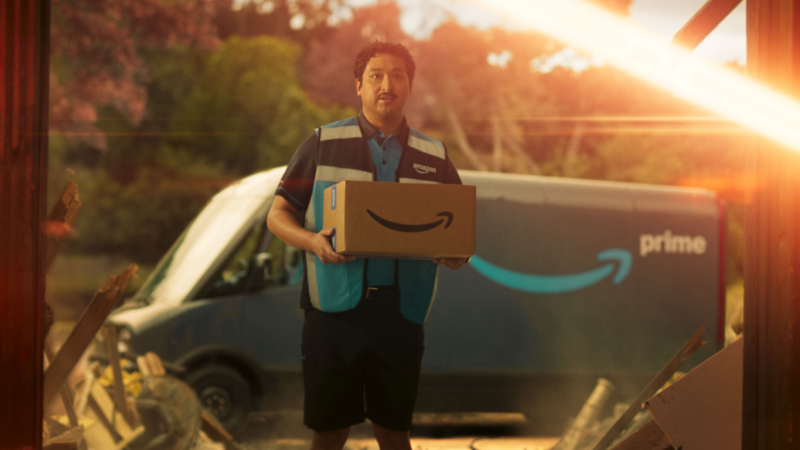
Ride Your Own Popularity: Amazon's "It's on Prime"
To make a new service known, we build new advertising. But if you can ride something people are already obsessed with inside your own house, you borrow the heat without paying for reach.
3 min read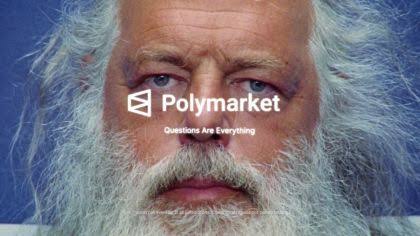
Translate a Feature Into a Belief: Polymarket's "Questions Are Everything"
Describing a service, we default to listing features. Fast, cheap, convenient. But feature descriptions drown among competitors saying the same thing. Polymarket translated a plain mechanic one level up, into a belief.
3 min read